
How to Use a Private Jet Broker (and Why It Matters)
Charter rates start from $1,100/hr for turboprops and reach $60,000/hr for VIP jets, excluding taxes and fees. A private jet broker matches clients to the right aircraft and operator for each trip. The broker requests quotes from multiple operators, vets the aircraft, and presents options. All flights operate under licensed Part 135 direct air carriers who hold full operational control. The broker coordinates; the carrier flies.
The private aviation industry splits into two distinct roles: brokers and operators. Most clients interact with a broker. Most brokers do not make this distinction clear. Understanding the difference matters for knowing who is responsible for what, how your flight is priced, and how to verify the quality of what you are booking.
| Feature | Air Charter Broker | Direct Air Carrier (Part 135 Operator) |
What they do | Sources and arranges charter flights on behalf of clients | Operates the aircraft with its own pilots, crew, and maintenance |
Operational control | None. The operator holds operational control. | Full. The operator is responsible for all flight decisions. |
FAA certification | Not required. Regulated by US DOT under Part 295. | Required. Must hold a FAA Part 135 Air Carrier Certificate. |
Fleet ownership | Does not own aircraft | Owns or manages the aircraft it operates |
Who to call for safety | The operator has operational control for safety issues | Directly responsible for safety and regulatory compliance |
Pricing model | Sources from multiple operators, may add margin | Sets its own rates based on its own fleet and costs |
Aircraft access | Multiple operators across many markets | Limited to its own certificated fleet |
Example | Hogani Jets | The operator whose aircraft you actually fly on |
A broker's value is access and objectivity. A direct air carrier with its own fleet can only offer you its own aircraft. A broker can source from any qualified operator in any market. If the best aircraft for your route on your date is from an operator 200 miles away, a broker finds it. A direct carrier cannot offer it.
Aircraft Sourcing
The broker receives the client's trip details: route, date, group size, and any specific requirements. The broker then contacts multiple operators with available aircraft that fit the mission. This competitive sourcing produces quotes from several operators for the same trip, allowing the broker to match the best aircraft at the best rate.
Operator Vetting
A reputable broker vets operators before placing flights with them. The standard vetting criteria include ARGUS or Wyvern operator certification (which requires audited maintenance records, crew training verification, and safety programme review), current Part 135 certificate status with the FAA, insurance coverage verification, and incident and violation history review.
The broker is the quality control layer between the client and the operator pool. A client booking directly with an operator skips this layer. A client booking through a reputable broker benefits from an operator pool that has already been filtered for quality.
Contract and Documentation
The broker provides the charter agreement (typically on behalf of the operator), confirms the specific aircraft tail number and operator identity, and manages the commercial relationship with the client. The client pays the broker, and the broker pays the operator.
Trip Coordination
Catering preferences, ground transportation, FBO arrival instructions, international permit coordination, and schedule changes are managed by the broker as the single point of contact. On complex multi-leg itineraries crossing multiple operators, the broker coordinates the handoffs.
Operators have unsold capacity on specific dates. A broker working with many operators knows which operators have available aircraft in a given market on a given date. An operator who might otherwise fly empty can offer a better rate to a broker who brings consistent volume than to a walk-in client who calls once. The broker's aggregated volume and relationships with the operator fleet translate to better positioning than a direct client inquiry in many situations. This is not universal, but it is a meaningful part of why using an established broker frequently produces better results than calling operators directly.
Brokers earn their fee in two ways: a commission paid by the operator (typically 5 to 15 percent of the charter price) or a margin added to the operator's quote. Some brokers use both methods. A transparent broker discloses their compensation structure on request.
The client pays a single total price. What the broker earns within that total is the brokerage fee. On a $20,000 charter, a broker earning 10 percent earns $2,000. The remaining $18,000 goes to the operator.
Clients who negotiate directly with operators do not always get a better price. The operator may apply its own margin on direct bookings. The broker's commission may come entirely from the operator side without affecting the client's price. The net result depends on the specific operator and booking.
DOT Registration
US-based air charter brokers are regulated by the US Department of Transportation under 14 CFR Part 295. DOT-registered brokers must disclose their status as a broker (not a direct air carrier) and are prohibited from representing themselves as an operator. You can verify a broker's DOT registration at the DOT's public database.
ARGUS and Wyvern Operator Preferences
Ask the broker whether they preferentially source from ARGUS or Wyvern certified operators. ARGUS Platinum and Gold certification and Wyvern Wingman certification require third-party audits of the operator's safety management system, crew training records, and maintenance history. A broker who cites ARGUS and Wyvern criteria as their primary sourcing filter is applying a meaningful quality standard.
Disclosure of Operator Identity
A reputable broker discloses the operating carrier identity (the specific Part 135 certificate holder flying your trip) and the tail number of the aircraft. This information should appear in your charter agreement before you pay. A broker who will not confirm the operator identity is a red flag.
Written Charter Agreement
Every charter booking should be confirmed by a written charter agreement specifying: the aircraft (tail number and type), the operator (Part 135 certificate holder), the route and schedule, the total price, cancellation terms, and the scope of the broker's role. Do not fly without a written agreement.
One: Are you a broker or a direct air carrier? Two: Which operators do you source from, and are they ARGUS or Wyvern certified? Three: Can you confirm the tail number and operator identity before I pay? Four: Is the total price all-in, and what can change after quoting? Five: What is your cancellation policy, and who handles claims if something goes wrong? A broker who answers all five clearly and without deflection is demonstrating the transparency that distinguishes a professional operation from one to avoid.
| Red Flag | What It Signals |
| Refuses to say whether they are a broker or carrier | Lack of DOT compliance; may be operating without proper registration |
| Cannot confirm the tail number or operator before payment | Aircraft and operator not yet confirmed; you may be buying a quote, not a booking |
| Quote significantly below market rate | Broker may be presenting a poor-quality operator or the quote is not a real booking |
| Requests cash-only payment or wire with no contract | Fraud risk; a legitimate broker accepts standard commercial payment methods |
| No written charter agreement before departure | No contract means no enforceable terms if anything goes wrong |
| Claims to own aircraft they are brokering | Misrepresentation of status; a broker does not own the aircraft |
| Cannot name their ARGUS or Wyvern sourcing criteria | No vetting standard applied to the operators they use |
| No verifiable DOT registration number | May be operating as an unregistered broker |
Direct operator booking makes sense when: you have an established relationship with a specific operator whose fleet and crew you know well, the operator operates in your primary market and has the right aircraft for your regular routes, and you fly frequently enough that the relationship produces consistent quality and good rates.
Broker booking makes sense when: you need the widest possible aircraft selection across multiple operators, your travel markets vary, and no single operator covers all of them; you want competitive sourcing across the operator pool; you need quality vetting without researching operators yourself; or you are a first-time or occasional charter client.
For the majority of on-demand charter clients, a broker relationship provides better access, better vetting, and a single point of contact for everything from booking to catering to ground transport.
Hogani Jets is an air charter broker. When you contact Hogani Jets with a trip requirement, Hogani Jets sources from multiple qualified Part 135 operators across the relevant market. Aircraft presented to clients have been vetted against ARGUS and Wyvern standards. The operator identity and tail number are confirmed before payment.
Hogani Jets manages catering, ground transport, international permits, and FBO coordination as part of the broker service. The charter agreement confirms the operator, the aircraft, and all commercial terms before departure.
Charters coordinated through Hogani Jets are facilitated through licensed Part 135 direct air carriers who hold full operational control and regulatory compliance for every flight.
Contact Hogani Jets at charter@hoganijets.com or +1-855-660-0573.
Reviewed by Matt Hogan — Founder, Hogani Jets & Aviation Specialist.
How do I request a quote from a private jet broker?
Contact the broker with your departure city, destination, travel date, and passenger count. The broker returns aircraft options within hours for most domestic routes. Review the options, confirm the operator, and sign the charter agreement before payment.
What information does a broker need to arrange my charter?
Provide your departure and arrival airports, travel date, passenger count, and luggage requirements. For international trips, passport details are also needed. The broker uses this to source available aircraft and return accurate pricing options.
What is the difference between a broker and a direct air carrier?
A Part 135 operator owns or manages aircraft and holds full operational control. A broker arranges the flight but does not hold operational control. The carrier holds safety responsibility. The broker is the intermediary.
Is Hogani Jets a broker or a direct air carrier?
Hogani Jets is an air charter broker. All flights are arranged through licensed Part 135 direct air carriers who hold full operational control and regulatory compliance. Hogani Jets does not own or operate aircraft.
Do brokers add cost to a charter?
Brokers earn a commission from the operator or add a margin to the quote. This is built into the total price. Broker relationships often yield competitive rates unavailable through direct booking, especially on less-common routes.
How does a private jet broker get paid?
Brokers earn a commission from the operator or add a margin to the quote. Commission rates typically run 5 to 15 percent. The client pays one total price. A transparent broker discloses their fee structure on request.
What should I check before paying a private jet broker?
Confirm the broker is DOT-registered. Request the tail number and operator name before payment. Verify the operator holds a current Part 135 certificate. Get a written charter agreement covering the aircraft, operator, route, price, and cancellation terms.
What is ARGUS certification and why does it matter?
ARGUS audits Part 135 operators on maintenance records, crew training, and safety management systems. Platinum and Gold ratings confirm a third-party audit has been passed. A broker sourcing from ARGUS-rated operators applies a meaningful safety vetting standard.
Should I book directly with an operator instead of using a broker?
Direct booking works for clients with an established operator relationship in one market. For broader access, competitive pricing, and complex itinerary support, most on-demand charter clients benefit from a broker.
What happens if something goes wrong with my charter?
The broker is your primary contact for operational issues. The operator holds safety and operational responsibility. A reputable broker manages rebooking, refunds, and operator disputes on the client's behalf. This service is central to the broker's value.
About Us
Hogani Jets was built on a simple belief: real luxury is quiet, personal, and effortless. We work with a curated list of operators and a small client base so we can give every journey the attention it deserves.
Instant Charter Estimate
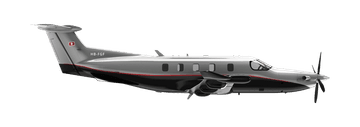


Compare Aircraft
Compare private jet categories side by side, range, cabin, passenger capacity, and hourly cost to find the right aircraft for your mission and route.
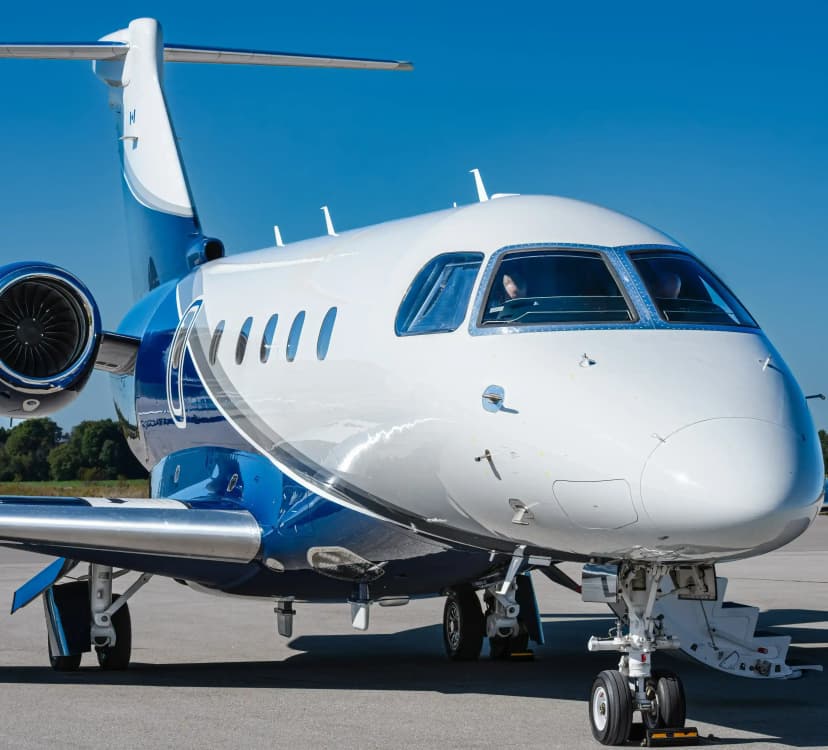
Your Guide: Hogani Jets Uncensored
Hogani Jets Uncensored: Submit your details for your free guide to private jet programs, honest truths, pricing and more.
