
Humanitarian & Relief Charter Flights: Emergency Response Aviation
An emergency evacuation charter and relief charter flights transport personnel, medical supplies, and aid into crisis zones inaccessible by scheduled airlines. In disaster relief aviation, aircraft match specific terrain: turboprops access unpaved strips, light jets fly urgent medical transfers, heavy jets manage bulk evacuations, and helicopters reach zones without runways. Hogani Jets coordinates humanitarian charter flights and NGO charter flights across all four mission tiers as an independent air charter broker. Contact our humanitarian relief aviation team 24/7 at +1-855-660-0573 or email charter@hoganijets.com for immediate dispatch.
1. Personnel Transport
Transporting relief workers, medical teams, corporate response coordinators, and government officials to affected areas is often the first aviation requirement after a disaster. Speed matters: relief teams arriving 12 hours earlier can triage and direct incoming cargo and evacuation missions more effectively.
Personnel transport missions use light, midsize, and heavy jets depending on team size and distance. Turboprops are used when the destination airstrip is too short or rough for jets.
2. Medical Evacuation
When local medical facilities are overwhelmed or destroyed, patients require evacuation to hospitals capable of providing appropriate care. Medical evacuation charters transport critical patients alongside medical personnel and monitoring equipment.
Medical evacuation aircraft can be configured with ICU beds, ventilators, and monitoring equipment. The treating medical team determines clinical requirements; Hogani Jets sources an operator with a suitably equipped aircraft.
3. Cargo and Supply Delivery
Disaster zones require rapid delivery of supplies that commercial cargo networks cannot serve: water purification equipment, generators, medical supplies, PPE, shelter materials, and communications equipment. After Cyclone Idai struck Mozambique in 2019, charter flights delivered thousands of water purification units when ports remained closed for weeks.
Cargo missions may use passenger aircraft with seats removed, freighter-converted aircraft, or full cargo aircraft depending on payload weight and volume.
4. Civilian and Staff Evacuation
Natural disasters, armed conflict, and sudden infrastructure failures require rapid extraction of civilians, expatriates, and corporate employees from affected areas. Private charter is the preferred option when commercial routes are suspended or when evacuation timing cannot depend on scheduled services.
Corporate duty-of-care obligations to employees in affected regions make evacuation charter a standard tool for internationally operating companies. Hogani Jets coordinates evacuations for corporations, NGOs, government agencies, and private families.
Matching the aircraft to the mission terrain, runway, and payload requirements is the critical planning step. The wrong aircraft for the runway cannot operate at all.
Aircraft Category | Hourly Rate | Best Use Case | Key Capability |
|---|---|---|---|
Turboprop | $1,100-$1,900/hr | Remote access; damaged runways | Operates on 2,000-ft strips and grass; lightest MTOW |
Light Jet | $2,500-$3,500/hr | Regional medical transport; small teams | Speed over turboprop; 8 passengers; 1,500-2,500 nm |
Midsize Jet | $3,500-$5,000/hr | Medium-range personnel; supplies | Conference cabin; 2,500-3,500 nm range |
Heavy Jet | $5,500-$8,000/hr | Long-range evacuation; large teams | Up to 16 passengers; transatlantic range |
Group Charter (A320/737) | $12,000-$35,000/hr | Bulk personnel evacuation | 150-180 seats; highest single-aircraft capacity |
Helicopter | $1,200-$5,000/hr | Last-mile access; no runway needed | Hovering; vertical takeoff; isolated mountain or flood zones |
Aircraft carrying humanitarian cargo to destinations with strict NOTAM or slot restrictions must be coordinated through the appropriate aviation authority. Hogani Jets manages all arrival slot requests and NOTAM compliance for humanitarian missions operating into restricted or damaged airfields.
Client Type | Typical Mission |
|---|---|
NGOs and aid organizations | Staff transport to disaster zones; medical supply delivery; patient evacuation |
Government agencies | Official response teams; diplomatic evacuations; multi-agency coordination flights |
Corporations | Employee duty-of-care evacuation from conflict or disaster zones; response team deployment |
Medical organizations | Medical team deployment; ICU evacuation aircraft; equipment delivery to field hospitals |
Private families | Family evacuation ahead of conflict or natural disaster; extraction of elderly relatives |
Media and journalists | Press teams into disaster zones under tight editorial deadlines |
Arrival Slot Management
Disaster-affected airports often implement arrival slot controls to prevent simultaneous landings overwhelming limited ground capacity. In major disaster responses, an airport may restrict arrivals to one aircraft per hour. Hogani Jets coordinates slot requests with the relevant aviation authority before departure to confirm arrival windows.
Runway Condition and NOTAM
Disaster events may damage runways or create operating restrictions published in NOTAMs (Notices to Air Mission). Hogani Jets reviews all applicable NOTAMs before dispatching any aircraft to a humanitarian destination. If the primary airport is closed, alternate routing is identified in advance.
Fuel Availability
Fuel supply at disaster-affected airports may be disrupted or limited. Hogani Jets confirms fuel availability at the destination before departure and arranges for the aircraft to carry sufficient fuel for return or onward positioning if local fuel cannot be confirmed.
Cargo Loading and Hazardous Materials
Humanitarian cargo may include items classified as dangerous goods under IATA DGR: medical oxygen cylinders, lithium batteries in communications equipment, and certain chemicals. These require advance declaration and specific loading procedures. Hogani Jets advises on dangerous goods classification and operator requirements for humanitarian cargo missions.
Multi-Leg and Repeating Missions
Major disaster responses often require repeated charter flights over several days or weeks. Hogani Jets supports standing mission agreements for organizations requiring multiple flights into a crisis zone, including negotiating consistent operator availability and pricing for the duration of the response.
Mission Type | Aircraft | Estimated Total Cost |
|---|---|---|
Medical team (4 pax) to Caribbean disaster zone from Miami | King Air 350 turboprop | $8,000-$20,000 round trip |
Supply delivery (1 ton medical cargo) Miami to Puerto Rico post-hurricane | King Air 350 | $18,000-$30,000+ |
Corporate evacuation (40 staff) from conflict zone to nearest safe hub | Multiple heavy jets | $80,000-$150,000+ |
Long-range evacuation NYC to Caribbean zone (10 staff) | Gulfstream G450 | $50,000-$90,000+ |
Bulk evacuation (150 people) from regional hub | Airbus A320 group charter | $80,000+ |
Humanitarian charter costs include all standard charter expenses plus any special handling, cargo loading, extended crew duty, and positioning for return. International missions add permit and handling costs. Contact Hogani Jets for a mission-specific estimate.
Every humanitarian charter coordinated by Hogani Jets is operated by an FAA Part 135 certified direct air carrier holding full operational control of the flight. Each operator's certificate, insurance coverage, and safety record are independently reviewed before Hogani Jets coordinates a booking. Hogani Jets is an air charter broker and does not own or operate aircraft.
Call +1-855-660-0573 or email charter@hoganijets.com. Available 24 hours a day.
Reviewed by Matt Hogan — Founder, Hogani Jets & Aviation Specialist.
What are humanitarian charter flights?
Humanitarian charter flights deliver aid workers, medical teams, and emergency supplies into crisis zones where commercial airlines cannot operate. Hogani Jets coordinates these on-demand missions through vetted FAA Part 135 direct air carriers for NGOs, governments, and relief organizations.
Can a private jet deliver cargo to a disaster zone?
Yes. Private aircraft fly critical cargo, including pharmaceuticals, water purification systems, and communications equipment. Aircraft can be configured with removed seats or dedicated freight bays, matching cargo volume to runway weight restrictions in disaster relief aviation.
How quickly can an emergency evacuation charter deploy?
Domestic emergency evacuation charter flights can dispatch within two to four hours of inquiry. International deployments to remote or crisis regions typically require 24 to 48 hours to secure necessary emergency overflight and landing permits.
What aircraft works best for damaged or remote airstrips?
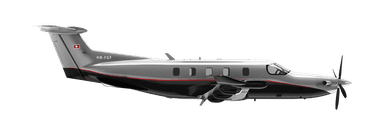
Turboprops like the Pilatus PC-12 NGX and King Air 350 excel on unpaved or damaged runways under 3,000 feet. For zones lacking any runway infrastructure, we coordinate helicopter transfers for seamless last-mile disaster relief aviation.
How do non-profits book NGO charter flights?
Organizations submit passenger manifests, cargo weights, and target locations to Hogani Jets. As an independent broker, we secure competitive relief charter flights across 22,000 aircraft worldwide, providing transparent pricing with zero upfront membership or jet card commitments.
What is an emergency evacuation charter?
An emergency evacuation charter extracts non-essential personnel, corporate teams, and civilians from zones facing natural disasters, civil unrest, or infrastructure collapse. These private flights bypass closed commercial terminals to ensure rapid, secure transport to safety.
Are relief charter flights subject to Federal Excise Tax?
US domestic relief flights are typically subject to standard federal taxes unless operated under specific government contracts or qualifying emergency exemptions. Hogani Jets provides clear, all-inclusive upfront quotes detailing all applicable taxes and landing fees.
Can pets fly on an emergency evacuation charter?
Yes. We source pet-friendly aircraft for emergency evacuation flights to ensure families and teams evacuate with their domestic animals. Requirements must be declared during initial intake to confirm proper cabin safety restraints and crate space.
Is Hogani Jets a direct air carrier?
No. Hogani Jets is an air charter broker and does not own or operate aircraft. All humanitarian charters are coordinated through FAA Part 135 certificated direct air carriers holding full operational control.
About Us
Hogani Jets was built on a simple belief: real luxury is quiet, personal, and effortless. We work with a curated list of operators and a small client base so we can give every journey the attention it deserves.
Instant Charter Estimate


Compare Aircraft
Compare private jet categories side by side, range, cabin, passenger capacity, and hourly cost to find the right aircraft for your mission and route.

Your Guide: Hogani Jets Uncensored
Hogani Jets Uncensored: Submit your details for your free guide to private jet programs, honest truths, pricing and more.
