https://d2fh6kg71io623.cloudfront.net/uploads/blog-banner/1788508759515_cropped-image.webp

Turboprop vs Light Jet: When to Choose Each

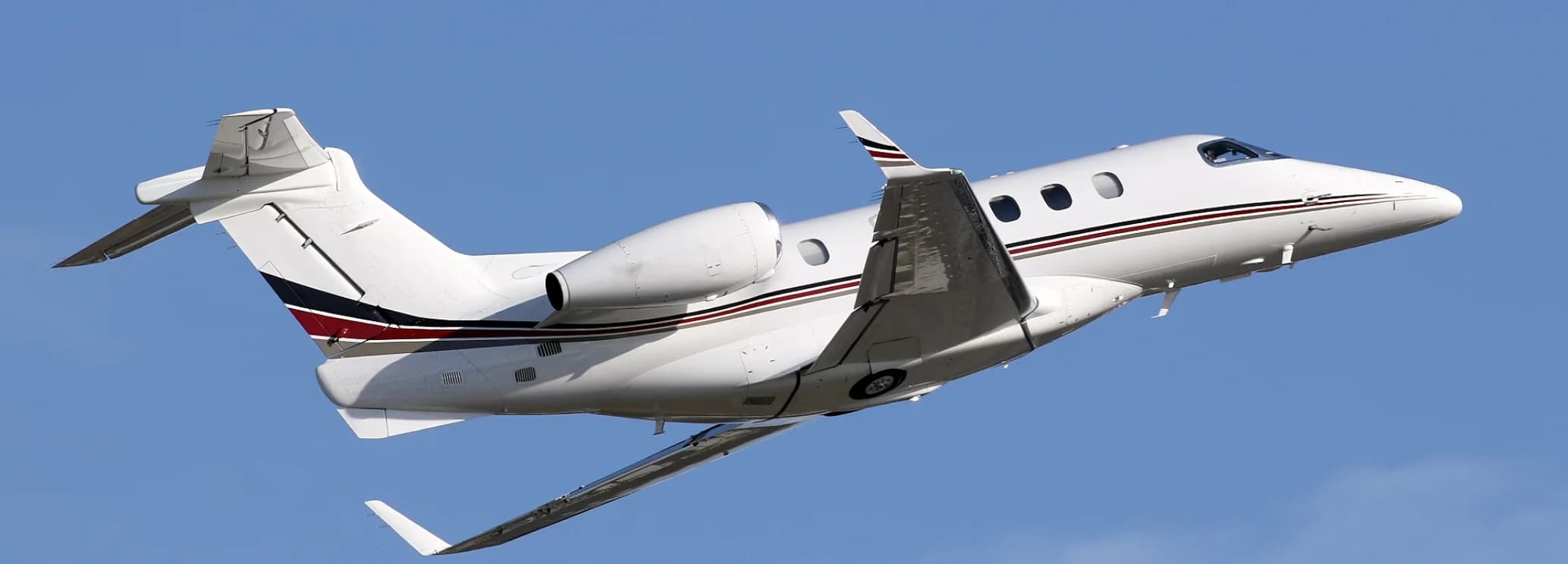
Choosing between a turboprop vs light jet depends entirely on your flight distance and destination runway. A turboprop aircraft like the Pilatus PC-12 costs $1,100 to $1,900 per hour and accesses 7,000 remote airports with short unpaved runways. A light jet like the Phenom 300 costs $2,500 to $3,500 per hour, providing superior cruise speeds of 460 to 510 mph for flights over 1,000 miles. Hogani Jets coordinates both aircraft types globally. Call +1-855-660-0573 for 24/7 dispatch.

When comparing a turboprop vs light jet, executives must evaluate hourly charter rates, cruising speeds, and operational limitations. Turboprops excel in short regional hops, while light jets provide high altitude weather avoidance and rapid point to point transit.

Performance Metric

Executive Turboprop (e.g., King Air 350)

Light Jet (e.g., Citation CJ3)

Hourly Charter Rate

$1,100 to $1,900

$2,500 to $3,500

Average Cruise Speed

280 to 360 mph

460 to 510 mph

Minimum Runway Required

2,000 to 3,000 feet

4,000 to 5,000 feet

Fuel Burn Per Hour

55 to 110 gallons

180 to 250 gallons

Optimal Flight Range

Under 1,000 miles

1,000 to 2,000 miles

A turboprop aircraft utilizes a gas turbine engine to drive a propeller. This design creates immense torque at lower altitudes, making it the ultimate short field performance machine.

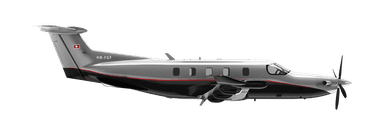
You should book a turboprop for regional flights under three hours. Aircraft like the Pilatus PC-12 or Beechcraft King Air 250 can safely land on grass, gravel, and dirt runways under 3,000 feet. This grants passengers direct access to over 7,000 remote airfields across the United States. Furthermore, operating costs remain 30 to 50 percent lower than entry level jets due to fuel burn of just 55 to 110 gallons per hour.

A light jet private charter utilizes enclosed turbofan engines, eliminating propeller drag to achieve much higher cruising speeds and altitudes.

You should book a light jet for flights exceeding 1,000 miles or when schedule reliability dictates flying above weather systems. A Phenom 300 cruises at 45,000 feet, effortlessly climbing over severe convective weather that a turboprop must navigate around. On a flight from New York to Miami, a light jet saves approximately 45 minutes of travel time compared to a fast twin turboprop.

Call +1-855-660-0573 or email charter@hoganijets.com to request an exact quote for your next mission.

Reviewed by Matt Hogan — Founder, Hogani Jets & Aviation Specialist.

What is the price difference between a turboprop and a light jet?

A turboprop costs between $1,100 and $1,900 per hour to charter. A light jet costs between $2,500 and $3,500 per hour. Turboprops save passengers 30 to 50 percent on regional flights under 1,000 miles.

Is a turboprop slower than a light jet?

Yes. Turboprops cruise at speeds between 280 and 360 mph. Light jets cruise at 460 to 510 mph. On a standard two hour regional flight, the total time difference is usually less than 20 minutes.

Which aircraft needs less runway?

Turboprops require significantly less runway. A Pilatus PC-12 can safely land on airstrips as short as 2,500 feet. Most light jets require at least 4,000 to 5,000 feet of paved runway to operate safely.

Can a turboprop fly above bad weather?

Modern turboprops like the King Air 350 have a maximum service ceiling of 35,000 feet. While excellent for regional travel, light jets cruise at 45,000 feet and fly over tall convective thunderstorm systems much more easily.

Are turboprops louder than light jets?

Turboprops generate slightly more cabin noise due to the exterior propeller blades. Modern executive turboprops utilize advanced acoustic insulation and active noise cancellation to keep cabin noise levels between 78 and 85 decibels.

How many passengers fit in a light jet?

Most light jets comfortably seat 6 to 8 passengers. Popular models like the Citation CJ3 or Hawker 400XP provide enclosed lavatories and adequate legroom for corporate teams or small families traveling up to four hours.

Do turboprops have a bathroom onboard?

Yes. Most modern executive turboprops like the King Air 350 feature an enclosed lavatory located in the aft section of the cabin. Smaller single engine turboprops may only offer a partitioned emergency lavatory.

Which aircraft is safer to charter?

Both aircraft types offer exceptional safety records when operated by FAA Part 135 certificated carriers. Jet engines and turbine propeller engines utilize the exact same internal jet turbine technology to generate highly reliable power.

Last Updated: 26 Sep 2026, 09:18 AM

About Us

Hogani Jets was built on a simple belief: real luxury is quiet, personal, and effortless. We work with a curated list of operators and a small client base so we can give every journey the attention it deserves.

Instant Charter Estimate
compareairCraft1cloud
compareairCraft2cloud

Compare Aircraft

Compare private jet categories side by side, range, cabin, passenger capacity, and hourly cost to find the right aircraft for your mission and route.
https://d2fh6kg71io623.cloudfront.net/uploads/cms/1783689472835_cropped-image.webp

Your Guide: Hogani Jets Uncensored

Hogani Jets Uncensored: Submit your details for your free guide to private jet programs, honest truths, pricing and more.